
Verified profiles
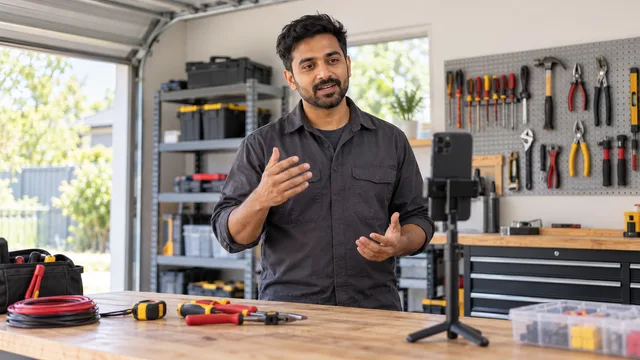
Skilled worker video profile: what employers notice first and what to leave out
Skilled worker video profile guide: what employers notice in the first seconds, what to say, and which private documents to keep off camera.
Hiring involves sensitive information: ID documents, payslips, referees' contact details and notes about past performance. Handling it carefully is a legal duty in many countries and a matter of trust everywhere.
These articles cover consent for reference checks, informal checks made without the candidate knowing, what candidates can safely share or redact, and how recruiters should store and share candidate data. They describe general practice, not legal advice.
Skilled worker video profile guide: what employers notice in the first seconds, what to say, and which private documents to keep off camera.

A national police check for employers in Australia: the official routes, candidate consent and ID, timing, reading the result, and how to store it safely.

Candidate verification for employers in Australia and NZ: what to check at each hiring stage, how to ask for consent, and when to delete the results.

Background check overseas candidates in Australia: identity, overseas and Australian police checks, VEVO work rights, licences and references, in order.

Employment verification in Australia: what payslips, income statements, super records and references each prove, and how to check them with consent.

How to run an overseas reference check: get consent, confirm the referee and company yourself, plan calls across time zones and ask questions that work.