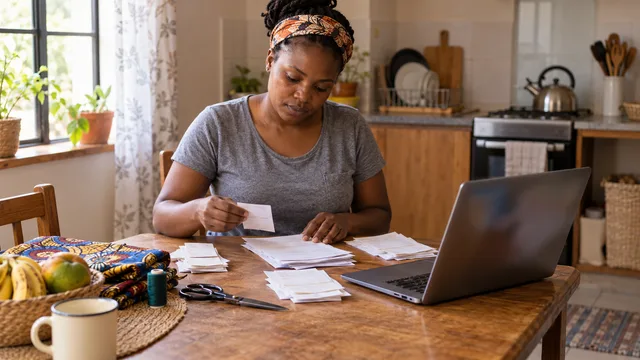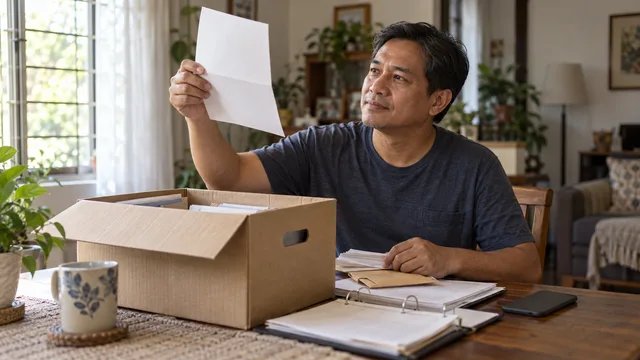

Sending one blurry payslip as proof? Which documents really prove your work history
Documents to prove work experience: what payslips, contracts, tax records and letters each prove, how to combine them and how to send them safely.

A CV describes your experience; it does not prove it. When an employer, recruiter or visa officer wants evidence, you need documents and people who can confirm what you did.
These articles help job seekers gather that proof: experience letters, payslips, tax records, contracts, references, work photos and portfolios. They also cover harder cases such as self-employment, contract work, companies that have closed and trade experience without a certificate.

Documents to prove work experience: what payslips, contracts, tax records and letters each prove, how to combine them and how to send them safely.


A verifiable CV backs each role with a referee who agreed, records from the time and matching dates. What verified means, and how to build one.

Service letter vs reference letter: what each one proves, where a relieving letter fits, and which to ask for before you leave a job to work abroad.

When HR only confirms dates of employment, your duties go unproven. What to gather, how to explain a neutral reference policy and sample wording.

Prove trade experience without a certificate: work evidence, referees and document review can show real skills to employers, even without formal papers.

Proof of work history self employed? Here is how to show an employer you did the work, using documents, evidence and client referees instead of a manager.

If a previous employer is not responding to a verification request, you still have ways to prove you worked there: documents, referees and manual review.

Proof of employment gets harder once a company has closed, but payslips, tax records and referees still work. Here's how to show you had the job.

Employers abroad may discount roles they cannot check. How to prove overseas work experience with experience letters, payslips, tax records and referees.